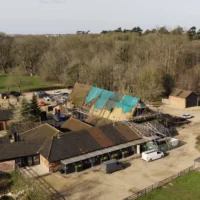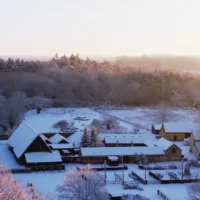

On the Rougham Estate we are very proud of our very extensive hedge network stretching for nearly 30 miles.
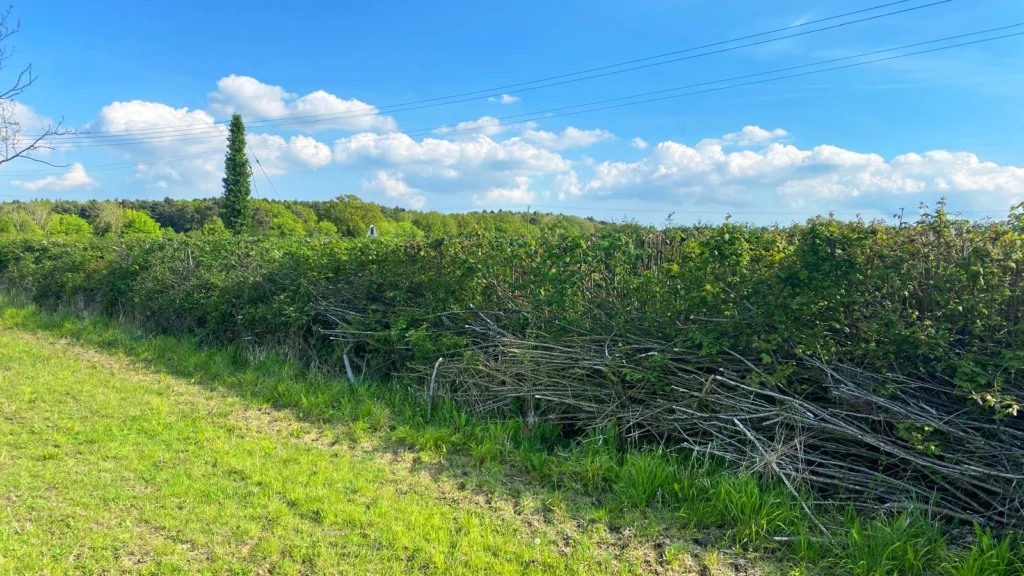
During the 1960s and 1970s when many farmers were pulling out most of their hedgerows to enlarge their fields, on the Rougham Estate we largely resisted this trend. This is why, when you arrive in Rougham these days, it is very obvious that we have a lot more hedges here than in most areas around about.
This autumn we are proud to be planting some new hedges too. Having hedges brings extra responsibilities; the hedges grow every year and need to be cut back from time to time. Some hedges are kept quite short whilst others are allowed to grow much taller, forming real features in the landscape. This cutting work has to be timed to avoid the bird nesting season.
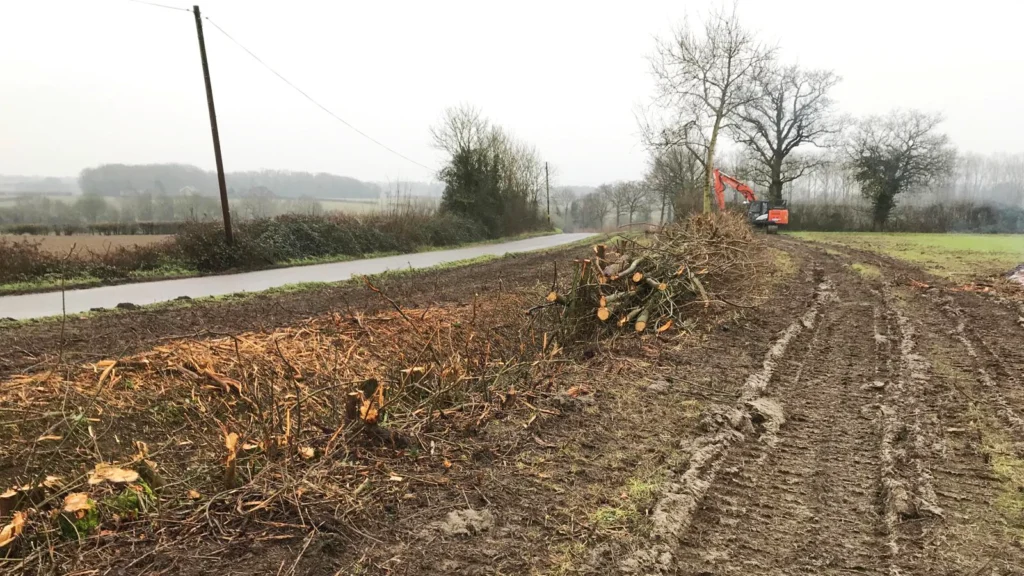
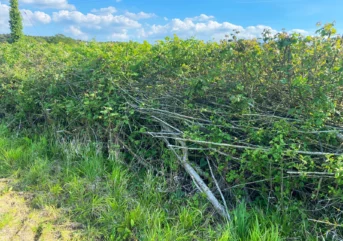
Over the next few months you will notice that one or two existing Rougham Estate hedges will look rather different. This is because we are having to cut them back to the ground. This practice is called coppicing and it only happens very occasionally here, and then only for specific reasons.
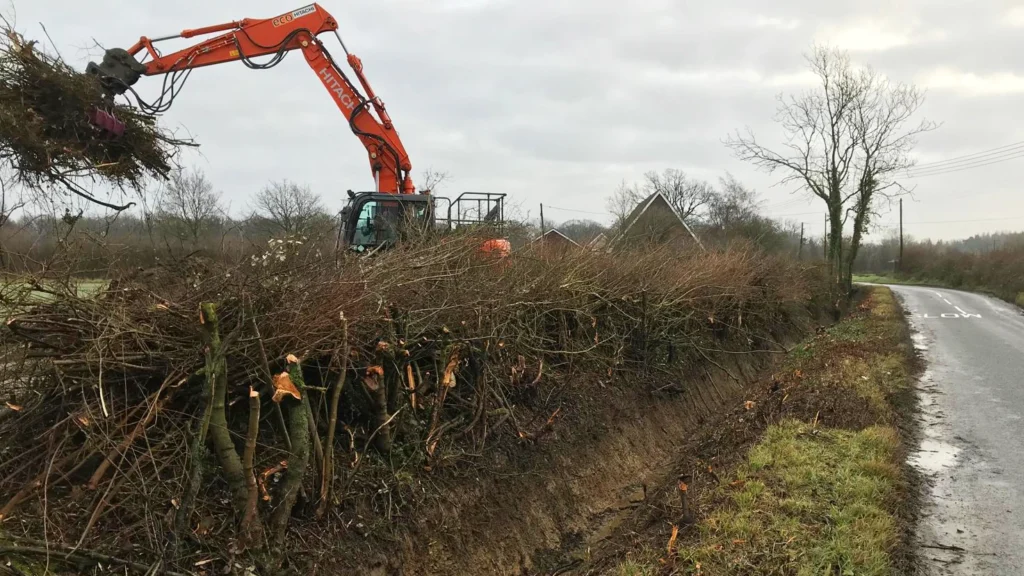
In this case the problem is that we have to dig out a ditch and the hedge has unfortunately been planted on the wrong side of it in the distant past. This means that to access the ditch from the field side we have to cut the hedge low enough so that we can reach over the top. The extra soil from the ditch then obviously has to be piled back on the field.
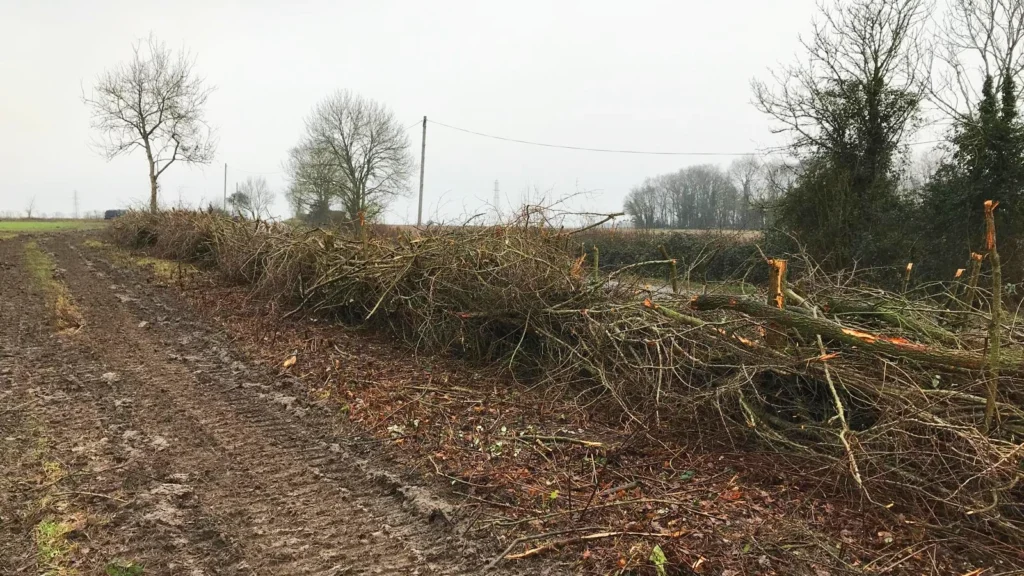
The coppicing of hedges is a well-known and accepted practice. It does look drastic when it first happens but the hedge quickly grows back, due to its extensive root system. When the hedge does grow back, it will be thicker at the bottom, which is the key area of the hedge to support the most wildlife, so the hedge actually benefits from the practice in the longer term.
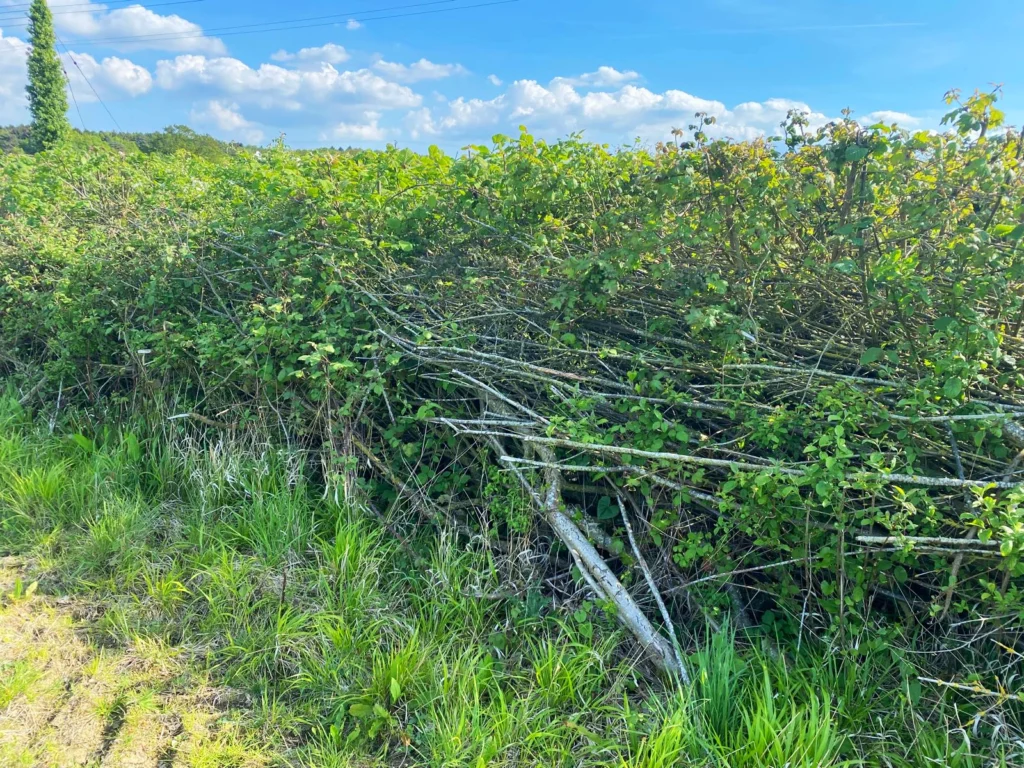
The regrowth provides shelter and nesting sites for birds, while the open structure during early regrowth stages benefits invertebrates. You will see that the way that we coppice hedges here at Rougham involves laying the cut material over the top of the stumps which helps protect the regrowth from deer grazing and is a method that has successfully been used across the Estate in previous years.
This work will be done during the winter months so that it does not clash with the bird nesting season and allows the hedge to kickstart its growth when spring arrives. In three years’ time, you will hardly be aware that the work has been done except that the hedge is thicker and healthier too.